
Frequently Asked Questions
Frequently Asked Questions
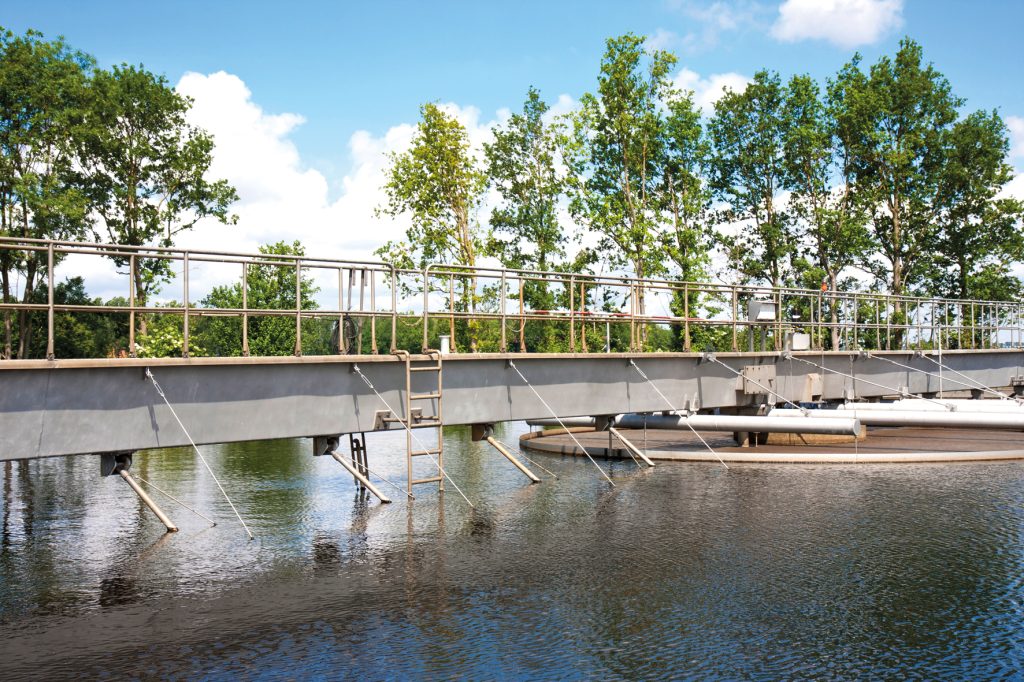
Our Facilities
What type of facilities does EkoBalans offer?
EkoBalans offers various solutions depending on the type of operation and waste stream you have. Digestate and similar streams can be refined into dry, concentrated fertilizer products and a residual water that can be used for nutrient irrigation, further concentrated, or purified.
For wastewater treatment plants and other facilities with high levels of phosphorus and/or nitrogen in wet streams, we offer solutions for phosphorus and nitrogen recovery using our proprietary processes eco:P and eco:N.
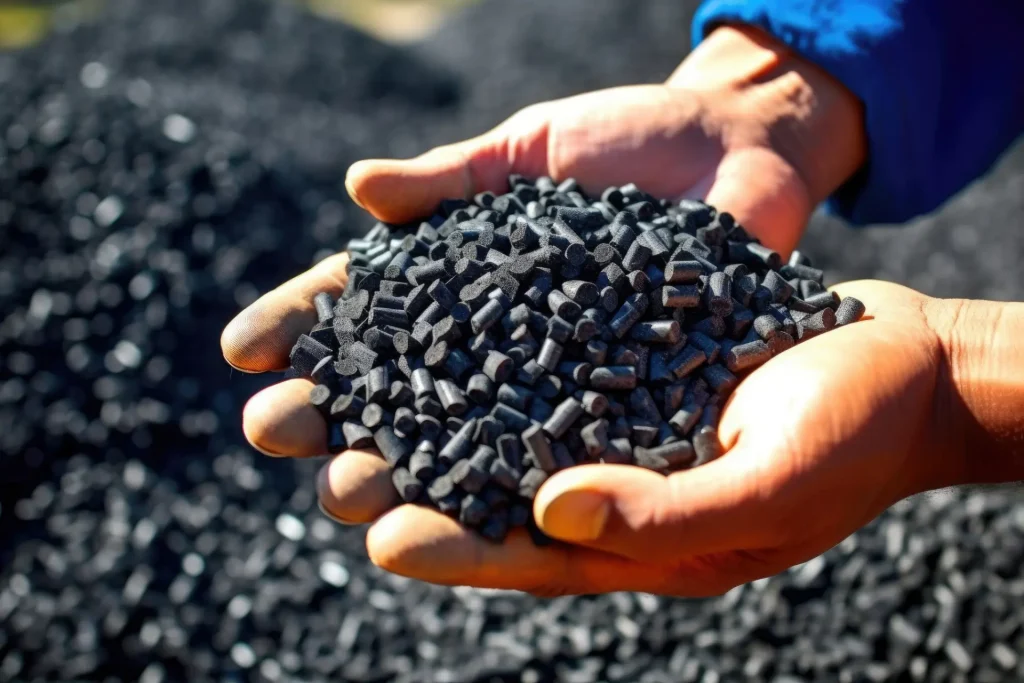
For sludge from wastewater treatment plants and other solid streams, which contain too many contaminants to be returned to the cycle, we offer a solution consisting of drying and pyrolysis where the end result is biochar, which we use for the production of growing media.
If you have any questions, you can always call or email us directly. You can also read more below in Our Processes.
Can EkoBalans customize a facility based on my needs?
We can definitely help with that. Contact us for a discussion, and we’ll assist you with a good solution.
What financing options can EkoBalans offer?
EkoBalans can offer different options:
1: EkoBalans sells a facility for waste flow management where the customer operates it. EkoBalans buys the raw materials produced by the facility, refines them, and markets the products.
2: EkoBalans builds a facility that we own and operate. The customer then pays us to handle and refine the waste flow.
If you have any questions, you can always call or email us directly, and we’ll assist you.
Can I apply for funding for a facility from EkoBalans?
If the implementation of the technology results in improved climate performance, it may be possible to receive funding from Klimatklivet. For agricultural businesses, there is an opportunity to receive 40% investment support for the refinement of biogas fertilizer. The 2020 sludge investigation (SOU 2020:3) suggested that it should be possible to apply for funding for the recovery of plant nutrients from treatment plants.
If you have any questions, you can always call or email us directly, and we will assist you.
Our Circular Fertilizer
What is the difference between EkoBalans circular fertilizer and conventional synthetic fertilizer?
EkoBalans circular fertilizer is made from renewable raw materials sourced from waste streams. The cycle is closed when these waste streams are utilized and returned. At the same time, nutrient leakage and eutrophication from previous waste flow management are avoided. Synthetic nitrogen fertilizer is produced from atmospheric nitrogen with high fossil energy consumption. Other components in synthetic fertilizer are sourced from mining. The synthetic fertilizer industry is planning to produce “fossil-free” nitrogen, but it is not a closed-loop process.
EkoBalans circular fertilizer has a composition that mimics animal urine and manure, i.e., what soil ecosystems have adapted to receive over millions of years. Synthetic fertilizers consist of salts of nitrogen, phosphorus, and other substances in high concentrations, which trick plants into interrupting essential symbioses with microorganisms in the soil.
EkoBalans circular fertilizer contains all the nutrients that plants and soil microorganisms need to thrive, enabling sustainable production of nutrient-dense food and feed. Synthetic fertilizer contains one or a few nutrients, usually nitrogen, phosphorus, and potassium (NPK), but rarely micronutrients. This poses a risk of nutrient deficiency and imbalance, both in the soil and in food and feed.
Why is EkoBalans circular fertilizer better than fossil-free fertilizer?
Fossil-free nitrogen and phosphorus may sound good. However, in reality, it is highly problematic because the planetary boundaries for net input of reactive nitrogen and phosphorus – like those found in synthetic fertilizers – have already been greatly exceeded! This poses significant risks to ecosystems globally.
Fossil-free fertilizer typically refers to synthetic nitrogen made from atmospheric nitrogen using renewable energy, but it can also refer to phosphorus or other materials mined and refined with renewable energy.
EkoBalans circular fertilizer is truly a closed loop and does not introduce any new nitrogen or phosphorus into ecosystems. Furthermore, it is better than synthetic fertilizer for soil health, food quality, and the climate.
Is EkoBalans circular fertilizer produced in Sweden?
Yes, our circular fertilizer is produced at our facilities across Sweden. This means that we contribute to increasing Sweden’s important self-sufficiency in food production. It also means that we reduce dependency on unstable global factors that are difficult to influence.
Today, food production is a crucial issue for national security – which is why EkoBalans is proud to make a significant contribution to societal well-being!
What does it mean that our circular fertilizer is digestate-based?
A digestate-based product consists of plant nutrients and organic material from the residuals left over from biogas production. Another commonly used term for digestate is biogas fertilizer.
EkoBalans does not use digestate from sewage treatment plants in its circular fertilizer because it may contain contaminants. However, EkoBalans does use biochar produced from digestate, where contaminants have been removed, in its plant media.
Does the circular fertilizer contain hazardous substances?
A large part of the food industry and agriculture demands that the fertilizer used must be certified. EkoBalans’ circular fertilizer is based on biogas fertilizer that is certified according to the SPCR 120 regulations, which requires control of the raw materials and proper mechanical pre-treatment. The materials used in the anaerobic digestion process are clean, source-separated, biologically degradable, and come from the food and feed chains. To eliminate bacteria, the incoming material is heated to 70°C for one hour, which kills weed seeds and other harmful pathogens.
We also conduct tests and analyses of our fertilizers, including checks for pyralide traces.
In addition, EkoBalans carries out and participates in various test cultivation experiments.
How does our circular fertilizer promote good soil health?
EkoBalans’ circular fertilizer has a composition that mimics animal urine and manure, which is what soil ecosystems have adapted to receive over millions of years. The organic matter and plant nutrients in balanced concentrations and proportions promote both microorganisms and their symbiosis with plants, which is essential for building good soil health.
What does good soil health mean?
Good soil health means living soils with well-functioning ecosystem processes, high resilience, and the ability to adapt to changing conditions. It is characterized by vital microbiology, high humus content, stable aggregates, high infiltration capacity, and the ability to hold water and nutrients, as well as net carbon sequestration even in deep soil layers.
Why is good soil health crucial?
Good soil health, with carbon sequestration in the soil and minimal loss of carbon and plant nutrients, is essential for the long-term sustainable production of nutrient-rich food and feed, as well as for the sustainable management of green spaces.
Why is EkoBalans Loop Fertilizer better for the climate than conventional fertilizers?
EkoBalans Loop Fertilizer is more climate-friendly than conventional synthetic fertilizers because it is based on residual flows from biogas production and does not require the energy-intensive processes used in conventional fertilizer production. Synthetic fertilizers are often produced using fossil fuels and release large amounts of greenhouse gases. On the other hand, loop fertilizers close nutrient cycles in the ecosystem by utilizing existing waste materials, which reduces the need for new resources and minimizes the climate impact.
What does it mean that our fertilizer product fits into the ecosystem?
EkoBalans Loop Fertilizer is designed to support and return nutrients to the natural cycles of the soil, making it a perfect fit for the ecosystem. Since our fertilizer is based on organic material from waste flows, it returns both plant nutrients and organic matter to the soil, promoting soil microorganisms and preserving biodiversity. This creates a sustainable and long-term solution where ecosystems can function optimally.
How do I spread EkoBalans Loop Fertilizer?
Spreading EkoBalans Loop Fertilizer is done in the same way as conventional fertilizers, typically with spreaders or fertilizer applicators, depending on the soil’s needs and the area of use. Since the fertilizer is designed to fit into the ecosystem and the soil, it can be evenly spread over fields or cultivation areas to ensure sustainable nutrient delivery. It is important to follow recommendations for spreading times and quantities to achieve the best results and minimize the risk of nutrient leaching.
How should I store EkoBalans' Circular Fertilizer?
Store EkoBalans’ circular fertilizer in dry, well-ventilated areas, in the same manner as conventional synthetic fertilizers.
How long can I store EkoBalans' Circular Fertilizer, is there an expiration date?
There is no expiration date for EkoBalans’ circular fertilizer.
How does EkoBalans' Circular Fertilizer contribute to regenerative farming?
In regenerative agriculture, the goal is to build topsoil while using it. This is only possible if we replace synthetic fertilizers with circular, natural fertilizer products. In addition to nutrients, EkoBalans’ circular fertilizer contains organic material, which is crucial for soil fertility. The addition of organic matter makes the soil more fertile by supporting soil organisms and improving soil structure.
Biokol
What is biochar?
Biochar is produced through the pyrolysis of organic materials, such as sewage sludge, seaweed, or wood.
In practical terms, this means that the material is heated in an oxygen-free environment to a temperature high enough that organic compounds break down without burning.
Some of the material is released as pyrolysis gas, also known as syngas, which can be combusted to generate energy, for example, for drying the material to be pyrolyzed. The result of the process, biochar, has a porous structure with a very large specific surface area and is highly resistant to decomposition.
Why is EkoBalans biochar good for cultivation?
Biochar’s large specific surface area makes it highly effective at retaining water and nutrients. Biochar also improves the habitat for microorganisms in the soil and contains plant nutrients.
What is sludge biochar?
Sludge biochar is made from sewage sludge. It contains significantly higher levels of phosphorus and other nutrients than biochar made from wood or other nutrient-poor materials, but it does not retain water and nutrients as effectively.
Therefore, it is suitable as a source of phosphorus in growing media, in combination with other biochar and compostable organic materials, such as compost or dried digestate.
Can sludge biochar contain the same contaminants as sewage sludge?
In our process, most of the cadmium content, all mercury, and varying amounts of other heavy metals are removed during the pyrolysis step.
This is crucial for the possibility of recycling nutrients from the sludge, as elevated cadmium levels are the most common reason for sludge not being spread on arable land.
Unwanted organic substances and pathogens are completely destroyed in the process.
How does biochar affect the climate?
The residual flows we use for biochar production contain carbon compounds that were once formed from atmospheric CO₂ during photosynthesis.
Since biochar is a stable material with a half-life of more than 1,500 years, its production means that some carbon is not released back into the atmosphere, which is beneficial from a climate perspective.
Ordering products
I’m interested in a facility; how do I proceed?
For more information about ordering, you can call or email us directly, and we’ll assist you.
Where can I buy EkoBalans Circular Fertilizer?
In what sizes is EkoBalans Circular Fertilizer available?
We deliver larger volumes to companies in sectors such as agriculture or green spaces in 1,000 kg big bags.
For more information about our circular fertilizer, please contact us here.
Test & Research
How is EkoBalans Recycling Fertilizer Tested?
EkoBalans Recycling Fertilizer has been tested in multiple trials conducted by the Swedish University of Agricultural Sciences (SLU), the Agricultural Society (Hushållningssällskapet), as well as by researchers in the Netherlands and Denmark. Both field and pot trials demonstrate a crop yield comparable to conventional synthetic fertilizers.
Long-term field trials using other organic fertilizers have shown positive effects on microbiology and soil health compared to the use of synthetic fertilizers.

Want to know more?
Contact us through phone or E-mail or fill out the form below